

Why Modern Cheese is Fake


Cheese - Milk’s Immortal Cousin. Curdled Milk, pressed and aged until its peak flavor is developed. While you can still find this kind of cheese today, most of the packaged cheeses are nothing like what cheese used to be.
Part 1 - Soft and Hard Cheese
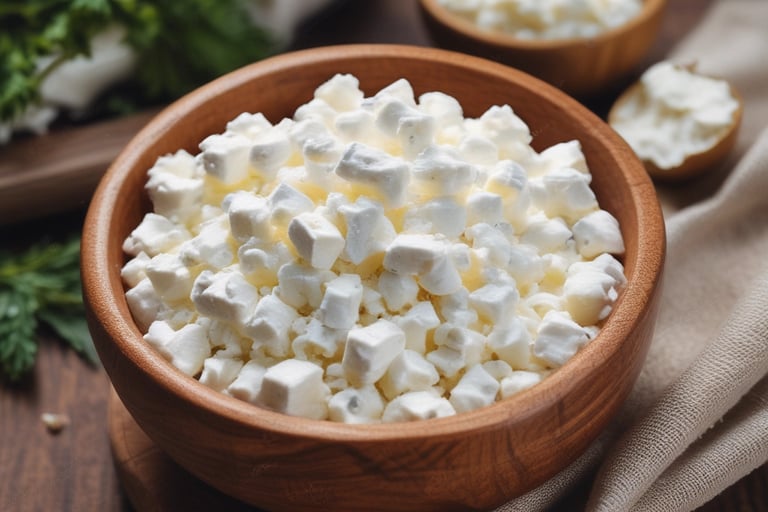
Cheese likely started out originally as cottage cheese - named as such because people would make this cheese in their cottages. It’s a simple cheese to make - Raw milk allowed time to clabber, then hung in a cheesecloth to let the whey drip out until the desired consistency was reached.
The next evolution of cheese likely came in the form of soft cheeses like mozzarella - a fresh cheese pressed by hand, not at all aged. A moist cheese which still retains some of the whey. If this cheese were pressed further, the whey removed from it, and allowed to age, then the result would be a hard cheese.
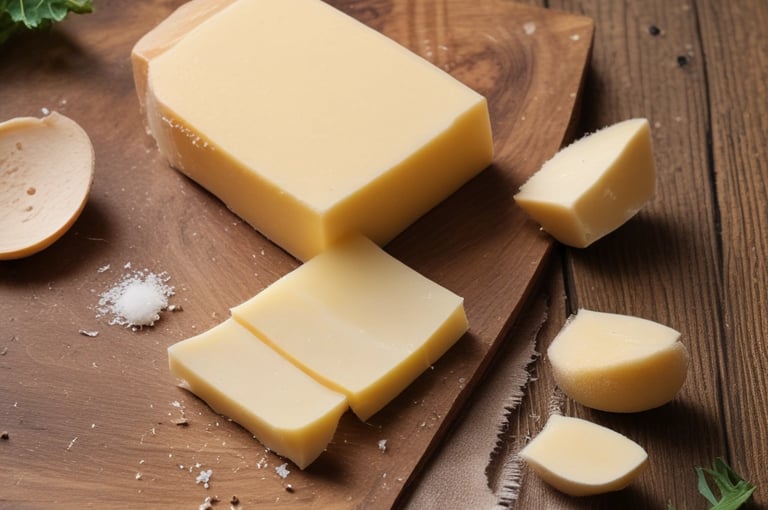
Soft cheeses are the simplest to make - but also are the quickest to spoil. Hard aged cheeses take time - and in that time they develop a wonderful flavor,and at the same time this aging acts as a long term preservation method of milk.


Part 2 - Fake VS Real Cheese
If you're buying cheese from the section of a grocery store where all of the block cheeses are at, you're probably good. But steer clear of American cheese. That's just cheese scraps that have been glued together, not at all a real cheese. The same goes for Velveeta and any other processed cheeses like that. And spray cheese - that doesn't deserve to be called cheese - that is whey that's thickened with gums and pumped with "natural" flavors, filled with seed oils and preservatives. There are no regulations to determine just how natural "natural flavors" are.
And if you're buying pre-shredded cheese, you'll probably want to check the ingredients label. If you see "cellulose", then congratulations, you're enjoying some sawdust with your cheese. Even crumbled cheese like goat's cheese, if you don't buy it in a whole form, could have sawdust snuck in there.
Part 3 - The good stuff
So now that you know what the fake cheeses are, how do you know what the good cheeses are? Real cheese should only be a few ingredients: cultured milk, salt, and enzymes. You may also see annato added for color and this is actually a clean ingredient. It is a seed that is ground and added to food to give a red color, and in fact this seed was used by the Mayans and the Aztecs to add a red color to their chocolate drinks.
Cow's milk is the most common you'll find for cheese. Goat's and Sheep's milk cheeses generally will be even healthier, since these animals are grass-fed whereas that is not always the case for cows. Aged cheeses both taste better and are healthier than their non-aged counterparts.


So now that you know what the fake cheeses are, how do you know what the good cheeses are? Real cheese should only be a few ingredients: cultured milk, salt, and enzymes. You may also see annato added for color (common in cheddar cheese) and this is actually a clean ingredient. It is a seed that is ground and added to food to give a red color, and in fact this seed was used by the Mayans and the Aztecs to add a red color to their chocolate drinks.
Cow's milk is the most common you'll find for cheese. Goat's and Sheep's milk cheeses generally will be even healthier, since these animals are grass-fed whereas that is not always the case for cows. Aged cheeses both taste better and are healthier than their non-aged counterparts.
Once you know how to spot it, real cheese is easy to find - check the ingredients label and stick to whole forms of cheese.